
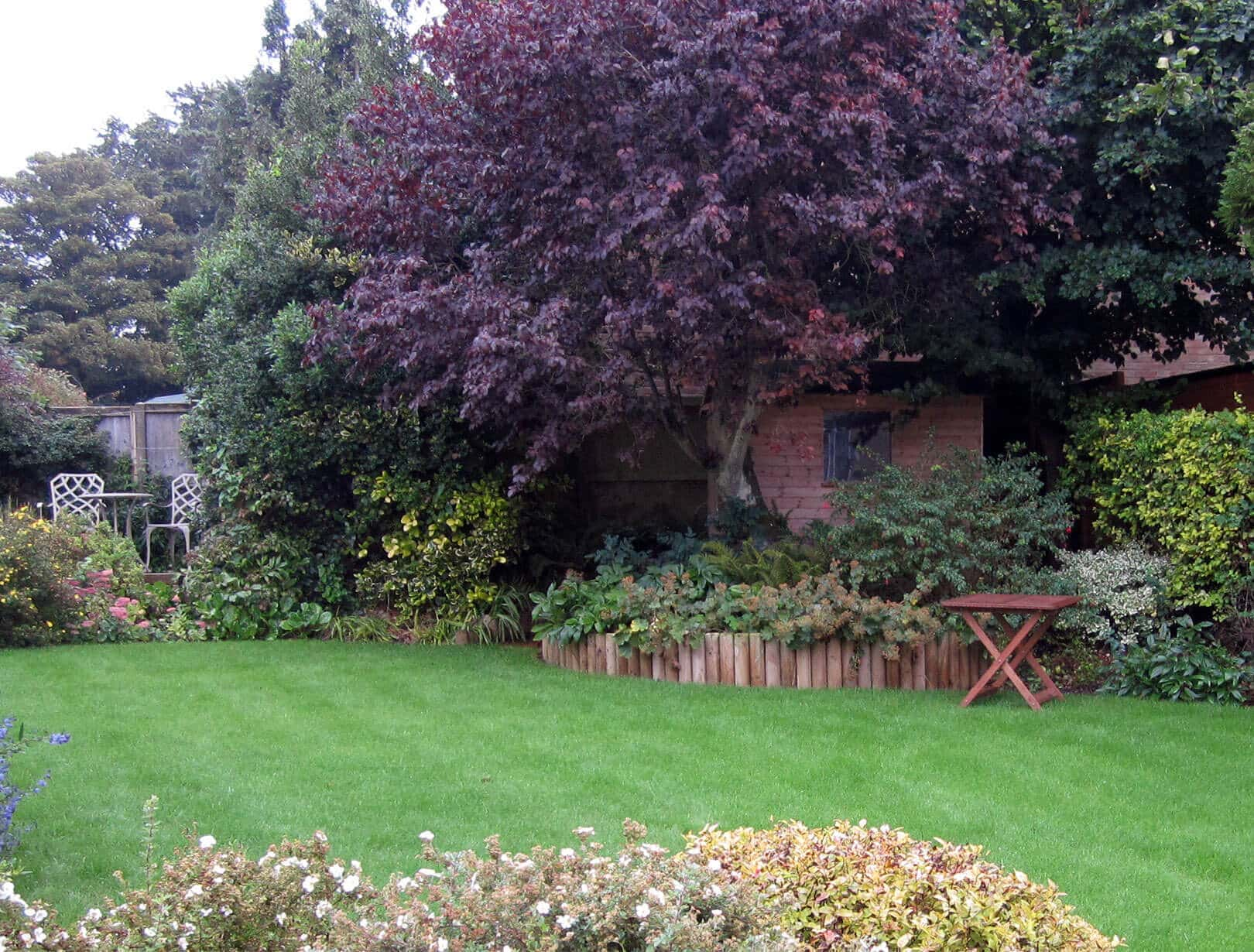
Does Your Garden Need a Lawn? Rethinking Grass in a Changing Climate
30 September 2026
As British Summers become noticeably hotter and drier, many Kent homeowners are questioning whether traditional, water-hungry grass lawns remain practical. Rather than abandoning greenery altogether, rethinking the role of grass - understanding its natural summer dormancy, “right or re-sizing” lawn areas, and integrating resilient alternative surfaces - allows you to create a beautiful, low-maintenance landscape that thrives in a changing climate.
This is the second article in our series on Drought Tolerant Gardens of the Future.
3 Key Takeaways for Rethinking Grass in a Changing Climate
1. A browning Summer lawn is simply entering a natural dormant state to protect its root system; proper management during heatwaves prevents permanent damage without wasting precious water.
2. You do not need to eliminate grass entirely; scaling back lawn boundaries in favour of structural planting, gravel pathways, or seating zones retains functionality while dramatically reducing water demand.
3. Synthetic turf creates significant heat retention, eliminates sources of food and habitat for insects, birds and animals, and damages underground soil biology. Living alternatives or permeable hardscaping offer far superior long-term environmental value.
For decades, a vast expanse of lush green turf has been considered the default centrepiece of the classic British garden. However, as homeowners across Canterbury and the wider Kent area experience longer periods of drought and high Summer temperatures, followed by waterlogging and flooding during the Winter, keeping a conventional lawn pristine is becoming an increasingly uphill battle.
At Haywood Landscapes, we are seeing a clear shift in how clients view their outdoor spaces. Rather than spending hours fighting against seasonal weather patterns with sprinkler systems and endless weed-and-feed treatments, homeowners are beginning to ask a fundamental design question: does every garden actually need a large area of grass?
Rethinking your lawn isn't about paving over your garden or sacrificing natural beauty. It’s about creating a balanced, climate-resilient landscape that looks exceptional year-round while making smart use of natural resources.
The True Cost of Lawn Water Use
Traditional fine turf grasses - such as perennial ryegrass and fescue blends - have relatively shallow root systems that rely on regular rainfall. During a Summer heatwave, an average lawn requires hundreds of litres of water each week to maintain a vibrant green appearance.
During local hosepipe bans and extended dry spells, relying on mains water to irrigate large open lawns simply isn't sustainable or practical. Excess watering not only puts pressure on local supplies but can also leach essential nutrients out of topsoil, leaving grass roots weaker in the long run.
Drought tolerant garden design begins with evaluating where water is truly needed - focusing hydration on establishing deep-rooted trees, structural shrubs, and perennial borders rather than pouring resources into high-maintenance turf.
Why a Brown Lawn Isn't Necessarily an Unhealthy Lawn
One of the most common misconceptions among homeowners is that a lawn turning brown during a dry spell means it is dying.
In reality grass is remarkably resilient. Browning is a natural defence mechanism where the plant shuts down top-growth leaf blades and enters dormancy to protect its underground root system. Once Autumn rains arrive, dormant grass typically recovers quickly on its own.
Good Lawn Care and Recovery After Dry Weather
If you choose to retain traditional grass, maintaining healthy turf through hot spells comes down to simple, non-invasive practices:
Raise the Mower Blades
- During Summer, set your lawnmower to its highest cutting height. Longer grass blades shade the underlying soil, reducing evaporation and encouraging deeper root growth.
Avoid Summer Feeding
- Never apply high-nitrogen lawn fertilisers during a drought. Flushes of soft new leaf growth require heavy moisture and will scorch in the sun.
Autumn Aeration and Overseeding
- Once seasonal rainfall returns, hollow-tine aeration relieves soil compaction caused by summer use.
- Scarifying the lawn and overseeding bare patches with drought-resilient seed varieties ensures robust recovery before Winter.
When Retaining a Lawn Makes Sense
Rethinking grass does not mean taking an all-or-nothing approach. Turf remains one of the best surfaces for specific functional uses:
- Family Play Areas - For households with young children or active pets, turf provides an unmatched soft, impact-absorbing surface.
- Architectural Negative Space - In high-end garden design, a small, crisply edged lawn acts as a visual palette cleanser, allowing surrounding planting beds and architectural features to pop.
The key is intentionality: keeping lawn areas to a size that directly serves your lifestyle, rather than maintaining turf out of habit in areas where it rarely gets walked on.
Reducing Lawn Areas: Strategic Right-sizing
If your current lawn feels oversized or difficult to maintain, reducing its footprint is often the most effective step toward a low-maintenance landscape.
By extending border depths, introducing curved planting beds, or adding functional outdoor living zones - such as dining terraces or sunken fire pits - you convert underutilised turf into vibrant, usable space. Deepening flower beds allows you to introduce multi-stem trees and structural drought tolerant planting schemes that trap soil moisture and create micro-climate shade across the garden.
Exploring Sustainable Alternatives to Traditional Grass
For areas where grass struggles to grow - such as heavy shade, steep slopes, or high-evaporation south-facing plots - there are numerous low-impact lawn alternatives that thrive with minimal water:
Micro-Clover and Creeping Thyme
- Low-growing ground covers like Thymus serpyllum or dwarf white clover require far less mowing, stay naturally green during dry spells, and provide vital nectar for pollinators.
Gravel and Stepping Stone Pathways
- Combining permeable gravel with natural stone slabs creates elegant, architectural walkways that allow rainwater to filter directly back into the underground water table.
Matrix Planting
- Replacing grass with dense mixtures of ornamental grasses (such as Stipa tenuissima) and hardy perennials creates a lush, meadow-like feel that requires no irrigation once established.
Why Artificial Grass Isn't the Sustainable Solution
When looking for low-maintenance options, many homeowners consider synthetic turf. However, artificial grass is far from an environmentally friendly alternative to a dry lawn.
- Petroleum-based synthetic fibres absorb and retain solar heat, making artificial lawns uncomfortably hot to walk on during sunny Summer days.
- Plastic turf restricts oxygen and organic matter in the ground beneath it, eliminating sources of food and habitat for insects, birds and animals – this effectively worsens natural soil health over time.
- While permeable backings exist, improper installation on heavy Kent clay can lead to surface runoff and odour build-up from trapped pet waste.
Living, breathable garden landscape design solutions - whether reduced real turf, gravel gardens, or lush ground cover planting - deliver genuine sustainability without generating plastic waste or heat islands.
Rethinking Your Landscape with Haywood Landscapes
A changing climate doesn't mean giving up on a lush, inviting garden. By right-sizing your grass areas, embracing drought tolerant garden principles, and selecting appropriate lawn alternatives, you can enjoy an outdoor space that is both visually stunning and naturally resilient.
Whether you are looking to replace an awkward lawn area with a bespoke stone patio or redesign your entire garden for better water efficiency, our team at Haywood Landscapes brings over 30 years of local expertise to every project.
Ready to transform your outdoor space?
Contact our team today or call us on 01227 733447 to arrange an initial design consultation across Canterbury and Kent.
Missed Part 1 of our Drought-Tolerant Garden Series?
Rethinking your lawn is just one step in building a resilient, climate-ready garden. Catch up on part one, Designing Gardens for Hotter, Drier Summers: What Needs to Change?, where we cover whole-site water capturing, efficient drip irrigation, and soil management techniques designed specifically for South East landscapes.